GET HELP NOW 210-342-2777

GET HELP NOW 210-342-2777
How Do Doctors Check for a Concussion?
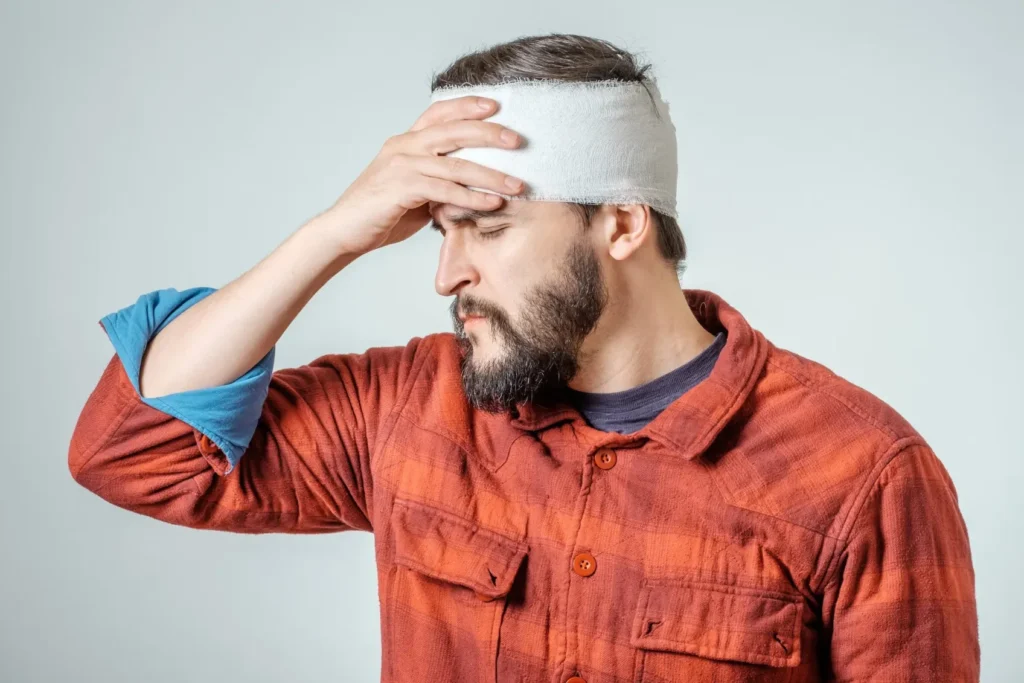
Doctors use a variety of methods to check for concussions after someone has a head injury, starting with a detailed medical history and physical examination. They may ask questions about the injury and symptoms such as headaches, dizziness, and memory issues. Cognitive and neurological assessments are often employed to evaluate thinking skills, attention, and memory. For example, the Standardized Assessment of Concussion (SAC) is commonly used to measure cognitive function. In some cases, imaging tests like CT scans or MRI scans are conducted to rule out severe brain injuries, such as bleeding or swelling. Additionally, balance and coordination tests help identify any physical impairments caused by the concussion.
If you or a loved one suspects a concussion, don’t wait. Contact Dr. B, a leading specialist in concussion care, for a thorough evaluation and personalized treatment plan. Call 210-342-2777 today to schedule an appointment and ensure the best care possible.
Understanding Concussions: Causes and Symptoms
A concussion is a type of head trauma, specifically a mild traumatic brain injury that occurs when the brain is jolted or shaken inside the skull, usually due to a blow to the head or a force to the body. This movement can result in various symptoms and should be taken seriously. This sudden movement can result in changes to the brain’s chemistry and damage to brain cells, disrupting normal brain function. The force of impact doesn’t have to be significant. Even what appears to be a slight jolt can be enough to cause a concussion. Some common symptoms of a concussion include:
- Headache
- Dizziness
- Nausea or vomiting
- Fatigue
- Confusion or memory problems
- Sensitivity to light or noise
- Sleep disturbances
Concussion symptoms can vary widely and may not appear immediately after the injury. These are just potential symptoms. Every concussion is unique, and individuals may experience a different set of signs and symptoms.
If you suspect that you or someone else has a concussion, it is important to seek medical attention. Rest and avoiding activities that could worsen symptoms are typically recommended during the recovery process. At our clinic, Dr. B and our dedicated team are here to provide the best care possible, ensuring a thorough evaluation and personalized treatment plan to support your recovery.
Causes of Concussions
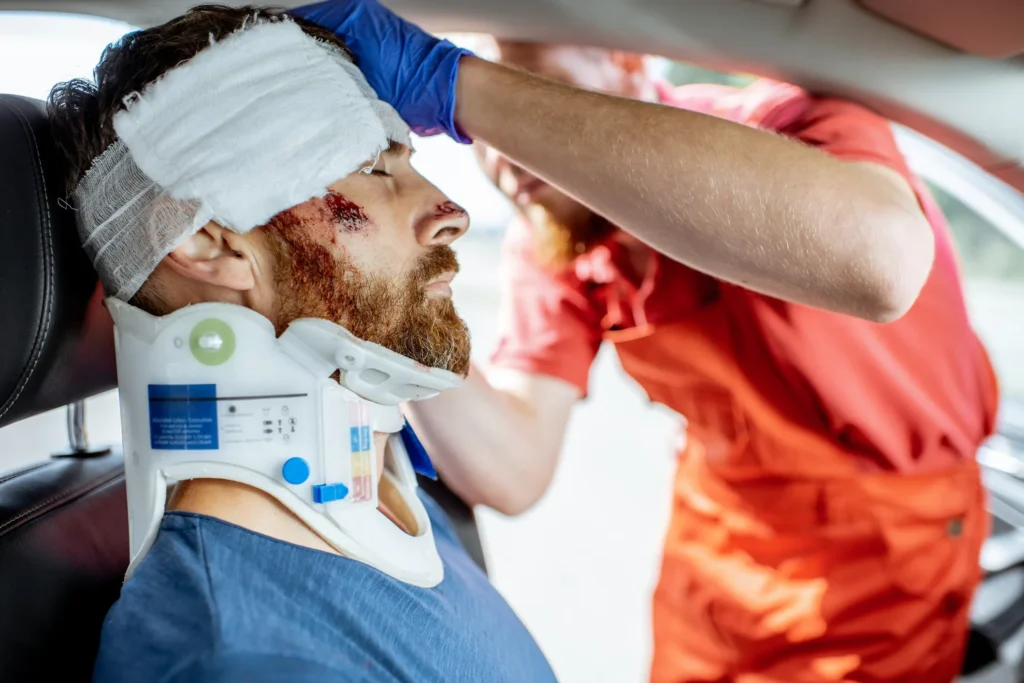 Concussions often occur when a blow to the head or body causes the brain to move rapidly back and forth, sliding against the inner walls of the skull. This can occur in various situations, but common causes include:
- Direct hits to the head in contact sports
- Car crashes
- Hard falls
- Occasions where the head or body is hit indirectly causing the head to jerk.
Sports-related activities are a significant contributor to concussion rates, with nearly 3.8 million concussions recorded by the Centers for Disease Control and Prevention. What’s more, individuals who have suffered previous concussions are at a higher risk of experiencing subsequent concussions.
Identifying Concussion Symptoms
When it comes to identifying concussion symptoms, the main signs include headache, dizziness, nausea, and memory problems. However, an extended list of symptoms can also include feeling hazy or groggy, and sensitivity to light or noise. Recognizing these symptoms means you can get appropriate medical attention and initiate necessary concussion tests.
The Post-Concussion Symptom Scale (PCSS) is an essential tool in this context. This self-reported measure allows individuals to rank 21 symptoms by their severity at various time points, providing a comprehensive picture of their condition. Symptoms that may warrant imaging tests, such as:
- Severe headaches
- Seizures
- Repeated vomiting
- Symptoms that worsen over time
Parents of younger children need to be particularly vigilant, as children may lack the ability to articulate their symptoms effectively.
The Concussion Diagnosis Process
Once concussion symptoms have been identified, the next step is the concussion diagnosis process. A thorough medical evaluation is recommended after a head injury, as only a healthcare professional can accurately examine and diagnose a concussion. This process typically involves questionnaires, tests of mental and physical abilities, and may include a quick neurological exam that checks reflexes, coordination, and sensation.
Patients should be prepared to answer detailed questions about the injury and related symptoms to help in the diagnosis and management of a concussion. Understanding how the brain works and detecting changes in brain function, such as cognition or memory problems and emotional changes, are the main aspects of cognitive and neuropsychological assessment. At our clinic, Dr. B and our dedicated team are here to provide the best care possible, ensuring a thorough evaluation and personalized treatment plan to support your recovery.
Medical History and Physical Examination
Reviewing a patient’s medical history is a critical part of the concussion diagnosis process. This includes:
- Previous concussions
- Symptoms experienced
- Recovery time from previous concussions
- Existing medical conditions
This information helps healthcare professionals understand the individual’s susceptibility to concussions and potential complications in recovery.
Cognitive and Neurological Assessments
Cognitive and neurological assessments play a vital role in diagnosing concussions. Cognitive testing utilizes various mental tasks to evaluate:
- Thinking skills
- Attention
- Memory
- Problem-solving abilities
These tests can be particularly helpful in identifying cognitive deficits that might not be immediately apparent after a head injury.
Screening tools like the MACE (Military Acute Concussion Evaluation) test are often used in this context. This structured assessment includes:
- Recording details about the incident leading to a concussion
- Evaluating signs and symptoms
- Conducting a version of the SAC (Standardized Assessment of Concussion) to test cognitive function
These assessments help healthcare professionals track changes and recovery in brain function by establishing a patient’s current cognitive function and monitoring the return to normal levels.
Balance and Coordination Tests
In addition to cognitive assessments, balance and coordination tests are also an integral part of concussion diagnosis. These tests utilize various physical exam methods to check for balance, eye movements, and coordination problems after a concussion.
For instance, the SCAT5, a standardized tool for evaluating suspected concussions, includes a balance assessment as part of its protocol. The SCAT5, or Sports Concussion Assessment Tool 5th Edition, is a comprehensive test designed for use by medical professionals to assess athletes for concussions. It combines a series of evaluations that cover symptom assessment, cognitive screening, neurological examination, and balance testing. The SCAT5 includes sections such as the Glasgow Coma Scale, Maddocks Questions, symptom evaluation, cognitive and physical testing, and coordination assessment. This tool is widely recognized for its effectiveness in providing a thorough and standardized method to diagnose concussions and guide return-to-play decisions.
Our team at Dr. B’s clinic is well-versed in using the SCAT5 and other advanced diagnostic tools to ensure an accurate assessment. We are committed to providing comprehensive care, from initial evaluation to personalized treatment plans, to support your recovery journey.
Imaging Tests for Concussions
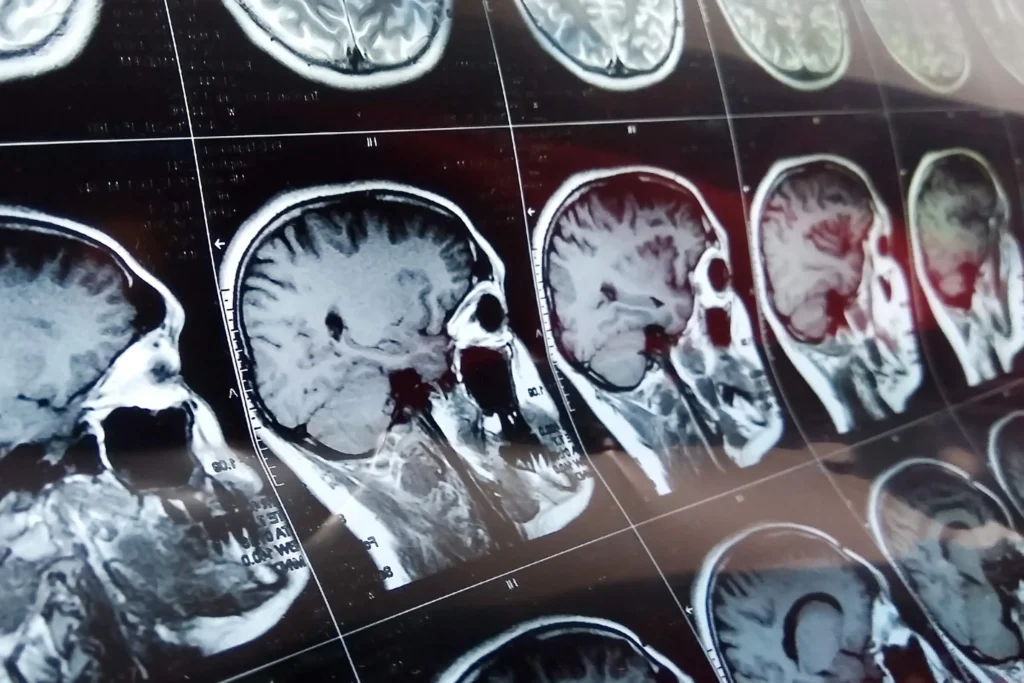 While cognitive and physical assessments are crucial in diagnosing concussions, they are often supplemented by imaging tests. CT and MRI imaging are the standard tests required for detecting concussions. These tests can detect signs of physical damage to the brain, such as bruising, swelling, or bleeding.
MRI and CT scans cannot diagnose the cellular damage that is thought to cause most concussion symptoms. This is because the cellular changes that occur in a concussion are often too subtle to be detected by these imaging techniques. In instances where more serious brain injury is suspected, CT or MRI scans can be invaluable in fully assessing the condition.
CT Scans
CT scans, or computed tomography scans, are primarily recommended for patients who show signs of severe injury, such as weakness on one side of the body, impaired vision, or seizures. These scans use X-rays to create detailed images of the brain and can reveal various types of brain injuries. They are particularly useful for detecting bleeding, swelling, or fractures in the skull. CT scans can show cross-sectional images of the brain, allowing doctors to see the extent and location of injuries. This makes them invaluable in assessing traumatic brain injuries and planning appropriate treatments. They are also reserved for those on blood thinners with head injuries due to a higher risk of bleeding in the brain and for those with a higher likelihood of skull fractures or brain bleeding.
Not all concussion cases require a CT scan. Patients with mild symptoms like headaches or dizziness after a head injury are unlikely to benefit from a CT scan as the risk of serious complications is minimal.
MRI Scans
MRI scans, or Magnetic Resonance Imaging scans, provide a different type of imaging to CT scans. They can detect subtle changes in brain tissue that may indicate damage such as swelling, bleeding, or shearing injuries. MRI scans provide a high level of detail, making them useful for examining the complex structures within the brain that may be affected by concussions.
Unlike CT scans, MRI scans have several advantages:
- They do not use ionizing radiation, making them a safer option for patients who need multiple scans.
- They can sometimes reveal brain abnormalities in patients with post-concussion syndrome even after initial tests, such as CT scans, appear normal.
- This makes MRI scans a valuable tool in diagnosing and managing concussions, particularly in complex cases.
Baseline and Sideline Concussion Testing
Baseline and sideline concussion tests help in both preventing concussion-related health issues and managing them when they occur. Baseline concussion tests are administered before a sports season to establish pre-injury brain function, and sideline concussion tests are conducted to assess brain function in athletes suspected of having a concussion during a game or practice.
Concussion testing is generally safe with minimal risks involved. The tests can include questionnaires and symptom checklists, which are typically administered by athletic trainers or healthcare providers.
Baseline Concussion Testing
Baseline concussion testing is a tool in the management of sports-related concussions. These tests assess athletes’ normal brain function before the sports season, allowing for comparison in case of a suspected concussion. They evaluate an athlete’s balance and brain function, including skills such as learning and memory, attention, concentration, and problem-solving.
Baseline concussion screening often employs computerized methods to measure cognitive abilities like concentration, memory, and reaction time. These tests are typically repeated annually, except for neuropsychological tests that may be repeated every two years or after concussions.
Sideline Concussion Testing
During a game, when a player takes a hard hit and a concussion is suspected, sideline concussion testing can be a game-changer. Sports activities should be immediately ceased and a concussion care specialist should be consulted when a concussion is suspected.
Sideline concussion testing tools assess balance, information processing, reaction time, sequencing, coordination, and vision. The SAC test is part of sideline concussion testing, assessing immediate mental status to support rapid decision-making regarding an athlete’s health.
Post-Concussion Care and Recovery
After a concussion is diagnosed, the focus shifts to care and recovery. A concussion is a unique experience for each individual, requiring a specific treatment strategy. The initial rest period after a concussion diagnosis is important, involving mental and physical rest for one to three days followed by careful reintroduction of activities, with limits on those requiring intense concentration or exacerbating symptoms.
At our clinic, Dr. B and our dedicated team are here to provide the best care possible, ensuring a thorough evaluation and personalized treatment plan to support your recovery. With over 21 years of experience in the field, Dr. B leads a program that incorporates evidence-based therapies and the newest technology to manage both acute injuries and persistent post-concussion symptoms. Our multidisciplinary clinical team includes sports medicine physicians, neurologists, neuropsychologists, and physical therapists, all trained to meet the specific needs of concussion patients.
Physical and Mental Rest
In the immediate days following a concussion, doctors advise engaging in relative rest, which includes both physical and mental relaxation, to facilitate brain recovery. Complete rest, such as lying in a dark room devoid of stimuli, is discouraged in concussion recovery as it has not been shown to aid the healing process. While this method was commonly recommended in the past, advancements in medical science have led to more effective procedures for managing concussion recovery.
Gradual Return to Activities
Once the initial rest period is over, the process of gradually reintroducing daily activities begins. Baseline tests are used for assessing the impact of a concussion on an individual and informing healthcare professionals on when returning to normal activities like school and sports is appropriate.
Healthcare professionals advocate for a structured return-to-activity protocol following a concussion that includes progressive increases in physical exertion to guarantee patient safety.
Preventing Concussions and Reducing Risks
The best way to deal with a concussion is to prevent it from happening in the first place. This involves education, proper protective gear, and safety measures. Concussion education initiatives and state legislation are key in increasing public awareness and prevention of concussions.
Education and Awareness
Beyond protective gear, education and awareness are critical in preventing concussions. Baseline testing, for instance, serves not only as a pre-season assessment but also as an educational tool for athletes, teaching them about concussion symptoms, recovery processes, and safe return-to-play protocols.
Protective Gear and Safety Measures
Helmets provide an added layer of protection against traumatic brain injuries when worn correctly during high-risk activities. They are engineered to endure multiple impacts throughout a sports season, with materials like expanded polypropylene offering robust protection.
In addition to helmets, adherence to safe techniques in sports can help mitigate the risk of concussions. Protective gear is not a guarantee against concussions, and the risk compensation might counteract the benefits of protective devices.
How Dr. B Can Help You
 With over 21 years of experience in the field, Dr. B is a leader in the assessment and treatment of concussions. His approach to care is rooted in understanding a patient’s symptoms to create an individualized treatment plan.
The program led by Dr. B incorporates evidence-based therapies and the newest technology to manage both acute injuries and persistent post-concussion symptoms. His multidisciplinary clinical team includes:
- Sports medicine physicians
- Neurologists
- Neuropsychologists
- Physical therapists
All are trained to meet the specific needs of concussion patients.
Contact Dr. B for Concussion Care
If you or a loved one suspects a concussion, don’t delay seeking professional help. Dr. B and our dedicated team are here to provide the best care possible, ensuring a thorough evaluation and personalized treatment plan to support your recovery. Serving patients in Houston, Laredo, San Antonio, and surrounding areas, we are committed to comprehensive concussion care. Call 210-342-2777 today to schedule an appointment and take the first step toward recovery.
Frequently Asked Questions
What is the typical recovery time for a concussion?
The recovery time for a concussion can vary widely depending on the severity of the injury and the individual. Most people start to feel better within a couple of weeks, but some symptoms can persist for months. It’s crucial to follow a doctor’s advice and not rush back into activities too soon to avoid prolonging recovery or risking further injury.
Can you get a concussion without losing consciousness?
Yes, you can sustain a concussion without losing consciousness. Many people who suffer from concussions remain awake and aware immediately after the injury. Symptoms like headaches, dizziness, and confusion can still occur even if you don’t pass out.
Are there long-term effects of multiple concussions?
Repeated concussions can lead to long-term effects, including chronic traumatic encephalopathy (CTE), a condition associated with repeated head injuries. Symptoms of CTE can include memory loss, confusion, impaired judgment, aggression, and depression. It’s important to manage each concussion properly to minimize the risk of long-term damage.
Is it safe to sleep after a concussion?
Contrary to popular belief, it is generally safe to sleep after a concussion once a healthcare professional has ruled out serious complications. It is important to monitor the individual for worsening symptoms in the first few hours after the injury. If symptoms like severe headaches, repeated vomiting, or seizures occur, seek immediate medical attention.
Can children recover from concussions differently than adults?
Children can indeed recover from concussions differently than adults. Their brains are still developing, which can sometimes make them more susceptible to prolonged symptoms. Follow a pediatrician’s guidance for rest and a gradual return to normal activities to ensure proper healing.
How do they check for concussions in the ER?
In the ER, doctors may order an MRI scan to check for any swelling or bleeding in the brain, as it can provide detailed images to reveal any potential issues. Additionally, they might conduct a CT scan, especially if the patient exhibits severe symptoms like seizures or significant weakness. These imaging tests rule out more serious brain injuries and ensure the appropriate treatment plan is implemented.
Dr. B, DC “The Car Accident Doctor in San Antonio” has been treating thousands of car & work accident injuries for more than 21 years.
Our Services
Phone
Opening Hours
Monday – Friday
8:00 AM – 06:00 PM
