GET HELP NOW 210-342-2777

GET HELP NOW 210-342-2777
Does My Homeowner’s Insurance Cover the Injuries I Sustained at Home?
Homeowner’s insurance is an essential safeguard to protect your property and assets, but does my homeowner’s insurance cover the injuries I sustained at home? This is a question that may arise when considering personal injuries that may occur within your own home. Understanding your coverage for personal injuries can make a significant difference when navigating the aftermath of an accident. Various types of personal injuries may be covered by homeowner’s insurance, as well as limitations, exclusions, and additional policies that may be necessary in certain situations.

By exploring the relationship between personal injuries and homeowner’s insurance, you’ll be better equipped to handle the unexpected and ensure the safety of your family and guests. Learning the intricacies of homeowner’s insurance and the coverage it provides for personal injuries, helps answer the question: does my homeowner’s insurance cover the injuries I sustained at home?
If you have been injured, call Dr. B. at 210-342-2777 for a free consultation, we proudly serve San Antonio, Houston, Laredo, and surrounding areas. Our experienced team will guide you through understanding your homeowner’s insurance, assessing coverage for personal injuries, and navigating the process to secure the compensation you deserve. Don’t let uncertainties linger; take the first step towards clarity and protection by reaching out to us today.
Personal Injuries and Homeowner’s Insurance
A homeowner’s insurance policy often provides protection for personal injuries, depending on the policy’s terms and conditions. Liability coverage is a significant component of homeowner’s insurance, providing coverage for medical expenses, attorney fees, and lawsuit payments following an incident causing injury to someone not in your household or damage to another’s property. Keep in mind, though, that personal liability insurance coverage in homeowner’s insurance does not extend to punitive damages.
To make an accident injury claim against a homeowner’s insurance coverage, you’ll need to notify the insurance company of the claim and evaluate the policy’s language to determine coverage and limits.
Accidental Injuries
Accidental injuries, such as slips and falls, are injuries that occur as a result of unforeseen events or circumstances. Homeowner’s insurance policies with personal liability coverage may protect these types of injuries. Homeowner’s insurance generally covers slips and falls for visitors and employees, up to the policy limits. However, homeowner’s insurance policies typically do not provide coverage for slips and falls for permanent residents or on uninsured premises.
For those who are not covered by homeowners liability coverage, legal action against the property owner may be a viable option for compensation. Understanding your coverage for accidental injuries is important in case an accident occurs on your property.
Sports and Recreational Injuries
Homeowners insurance coverage typically includes protection for sports and recreational injuries that occur on one’s property. These can include:
- Broken bones
- Fractures
- Cuts
- Bruises
These injuries result from accidents during sporting events or recreational activities. However, coverage for sports and recreational injuries may vary depending on the specific policy. Reviewing your policy or consulting with your insurance provider to determine the scope of coverage for such injuries and understand the process of filing homeowners insurance claims is advisable.
Examples of sports and recreational injuries that might occur in a domestic setting include:
- Fractures
- Dislocations
- Sprains
- Strains
- Tendinitis
- Shin splints
- Concussions
- Overuse injuries such as tendonitis and stress fractures
Communicating with your homeowners’ insurance company and reviewing your policy is important to ensure proper coverage as well as going to Dr. B. to receive the medical attention that is needed.
Dog Bites and Animal-Related Injuries
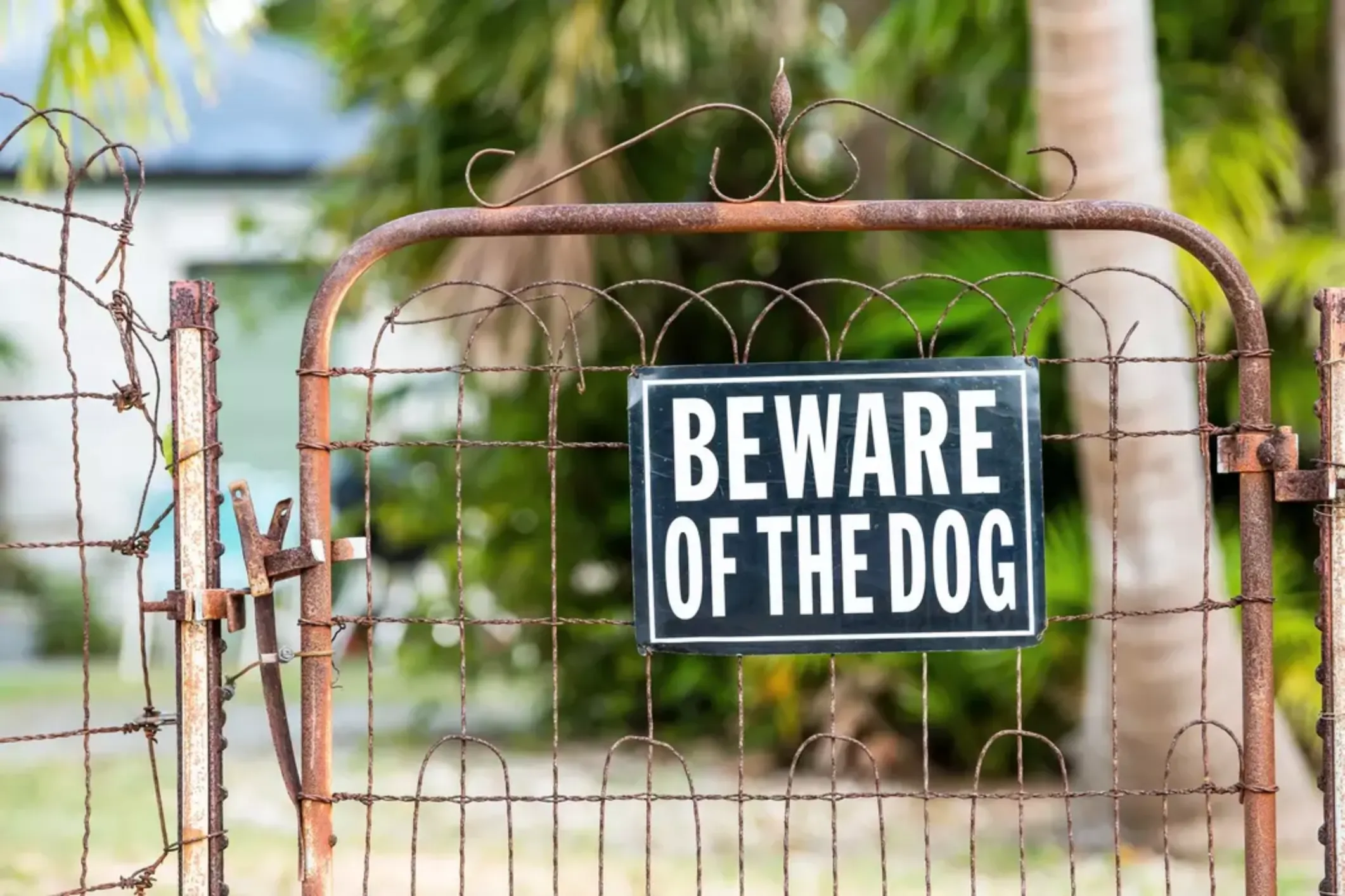
Dog bites and animal-related injuries are often covered by homeowner’s insurance, but some policies may have breed restrictions or exclusions. Standard homeowner’s insurance policies generally cover personal injuries, including dog bites and falls on the property for which the homeowner is deemed to be negligent or accountable. However, certain breeds, such as:
- German Shepherds
- Huskies
- Mastiffs
- Alaskan Malamutes
- Rottweilers
- Pit Bulls
- Chow Chows
- Some wolf breeds
may be excluded from coverage for dog bites.
Under the liability or medical payments coverage, homeowner’s insurance may provide coverage for dog bites and animal-related injuries. Reviewing your policy and consulting with your insurance provider to understand your coverage for dog bites and animal-related injuries is advisable.
Limitations and Exclusions in Homeowners Insurance Policies
Homeowners insurance policy limitations and exclusions include intentional and criminal acts as well as pre-existing conditions and health issues. Comprehending these limitations and exclusions is key to ensuring adequate coverage in the event of an injury on your property.
Intentional and criminal acts, for example, are generally not covered by homeowner’s insurance policies. Furthermore, depending on the policy, pre-existing conditions and health issues may not be encompassed by homeowner’s insurance.
Intentional and Criminal Acts
Intentional and criminal acts are generally not covered by homeowner’s insurance policies. An intentional act is defined as any act carried out by the insured with the intention of causing harm or loss, such as pushing someone and resulting in them falling and sustaining injuries. Homeowner’s insurance policies typically exclude coverage for intentional or criminal acts, such as intentional damage to property, theft, or assault.
The rationale for the exclusion of intentional and criminal acts from homeowner’s insurance policies is that it is contrary to public policy to absolve one party from responsibility for willful injury. Insurance companies also undertake meticulous investigations to evaluate claims for intentional or criminal acts, which may include employing adjusters or investigators to collect evidence, interview witnesses, and examine documentation relevant to the claim.
Pre-existing Conditions and Health Issues
Pre-existing conditions and health issues refer to any conditions or illnesses that were present prior to the acquisition of a homeowner’s insurance policy. Some common examples of pre-existing conditions in homeowner’s insurance include pre-existing damage to the property, such as structural issues or previous water damage, as well as certain health conditions of the homeowner, such as cancer, diabetes, or asthma.
Homeowner’s insurance policies generally do not provide coverage for pre-existing health issues. However, a pre-existing condition may have an impact on a homeowners insurance claim, such as a personal injury claim on homeowner’s insurance. It is possible that the insurer may reject or reduce the claim due to the pre-existing condition.
Nevertheless, it is still possible to obtain compensation for the injuries sustained.
Medical Payments Coverage
Medical payment coverage in homeowner’s insurance policies can help cover medical expenses for injured guests, but coverage limits may apply. This coverage is included in homeowner’s insurance to provide assistance in paying for small medical expenses, irrespective of who is liable. Coverage limits for medical payments in homeowner’s insurance policies typically range from $1,000 to $5,000. Being aware of these limits is vital in case medical expenses exceed the coverage limit, as you may be responsible for paying the remaining expenses from your own funds.
Filing a claim for medical payments coverage involves notifying your insurance company and providing documentation of the injury and related expenses. Timely communication with the insurance company is imperative to ensure a seamless claim process and avoid possible complications.
Coverage Limits
Understanding the coverage limits for medical payments in homeowner’s insurance policies is essential to avoid unexpected financial burdens. Coverage limits typically range from $1,000 to $5,000. These limits are determined by factors such as:
- The coverage limit set by the insurance company
- The specific policy terms and conditions
- The type and severity of injuries sustained
- The number of individuals injured in a single incident
- The overall coverage limits of the homeowner’s insurance policy.
If medical expenses surpass the coverage limit in homeowner’s insurance policies, you may be liable for paying the residual expenses from your own funds. Reviewing your policy and consulting with your insurance provider to understand the implications of these limits and to be prepared in case of an accident on your property is essential.
How to File a Claim
When filing a claim for medical payment coverage, it’s necessary to notify your insurance company as soon as possible after the injury occurs. Delaying communication with your insurance provider may lead to an extended period of recovery and potential complications with the claim process. It’s also crucial to provide supporting documents, such as medical bills and records from Dr. B., to substantiate your claim.
The insurance adjuster plays a critical role in a personal injury claim, as they evaluate the claim, assess damages, and negotiate settlements. Working closely with the adjuster and providing the necessary documentation can help ensure a smooth and efficient claim process, allowing you to focus on your recovery.
When Homeowner’s Insurance Isn’t Enough
In some cases, homeowner’s insurance may not provide enough coverage for personal injuries, and additional policies like umbrella insurance or health insurance with personal injury protection may be necessary. Umbrella insurance policies can provide additional liability coverage beyond your homeowner’s insurance policy limits, while health insurance with personal injury protection can help cover medical expenses and lost wages for injuries sustained at home.
By considering additional policies, you can ensure adequate protection in the event of an injury on your property.
Umbrella Insurance Policies
Umbrella insurance policies can provide additional liability coverage beyond your homeowner’s insurance policy limits. This additional layer of protection can be especially beneficial for individuals with a considerable net worth, a substantial income, or assets to safeguard. If you’re held liable for injuries or damages that exceed the coverage provided by your homeowner’s insurance, an umbrella insurance policy can assist in paying for damages or injuries.
Understanding the advantages of having an umbrella insurance policy and how it interacts with your homeowner’s insurance can provide peace of mind and ensure that you’re adequately protected from potential liability claims.
Health Insurance and Personal Injury Protection
Health insurance with personal injury protection (PIP) can help cover medical expenses and lost wages for injuries sustained at home. PIP insurance typically covers a percentage of medical expenses and lost wages, as outlined in the policy. This type of coverage can be particularly beneficial in cases where homeowner’s insurance may not provide adequate coverage for personal injuries.
To submit a claim for personal injury protection under health insurance, you’ll need to:
- Obtain medical treatment from a provider such as Dr. B.
- Inform your insurance provider
- Complete the required forms
- Provide supporting documents
- Follow up with your insurance provider
Understanding the process for submitting personal injury claims and the benefits of having health insurance with personal injury protection can ensure that you’re prepared for the unexpected and able to focus on your recovery.
Preventing Injuries at Home
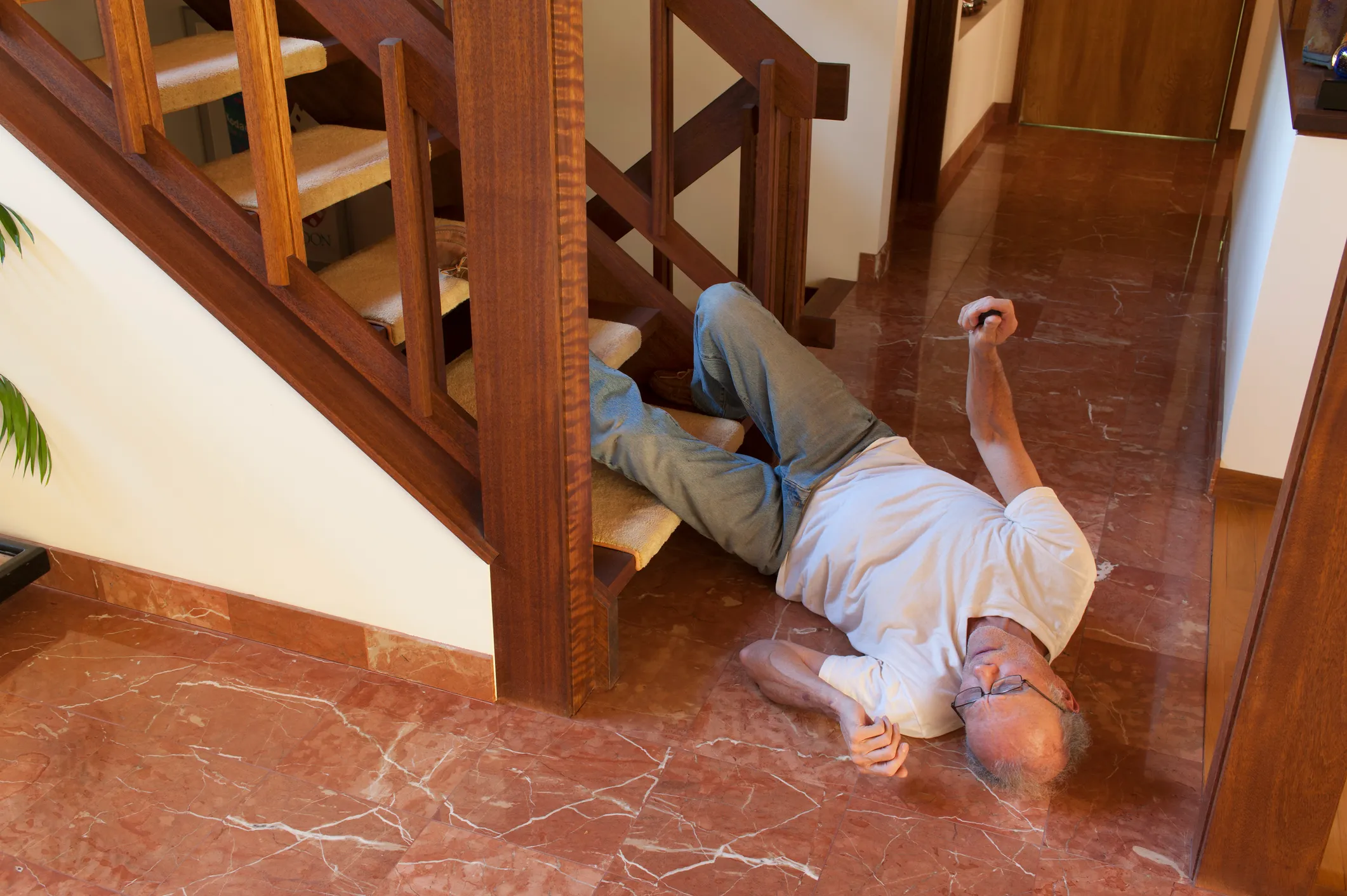
Preventing injuries at home is an essential aspect of maintaining a safe and comfortable living environment. Regular maintenance, inspections, and safety measures can help to reduce the risk of injuries and ensure the well-being of your family and guests. By proactively addressing potential hazards and implementing safety measures, you can create a safer home and potentially avoid costly homeowner’s insurance claims.
Regular Maintenance and Inspections
Regular maintenance and inspections play a significant role in preventing personal injuries at home. By identifying potential hazards and risks, such as loose carpets or tripping hazards, and taking the necessary measures to address them, you can maintain a safe environment and prevent unintentional accidents and injuries. Examples of home inspections and maintenance tasks that can help prevent injuries include radon testing, termite inspection, mold inspection, and foundation inspection.
In addition to inspections, regular maintenance tasks can help decrease the risk of accidents, property damage, and water damage. These tasks include:
- Checking fire and security devices
- Maintaining landscaping to avoid tripping hazards
- Maintaining kitchen appliances to prevent accidents
- Cleaning humid areas to prevent mold and slips
- Inspecting and repairing air leaks to prevent drafts and falls
Safety Measures and Equipment
Installing safety measures and equipment, such as non-slip mats and handrails, can help reduce the risk of injuries at home. Non-slip mats provide traction and stability, particularly in areas prone to wetness or slippery surfaces, preventing slips and falls. Handrails can be placed on both sides of stairs to provide additional support and stability, helping to prevent falls and injuries.
By implementing these safety measures and equipment, you can create a safer home environment and potentially avoid costly homeowner’s insurance claims. Regular inspections, maintenance, and the installation of safety measures are all essential components of preventing injuries at home and ensuring the well-being of your family and guests.
How Dr. B. Can Help You
Understanding the coverage and limitations of your homeowner’s insurance policy when it comes to personal injuries is crucial for ensuring that you’re adequately protected. Accidents and injuries can happen at any time, and being prepared for the unexpected is essential. By familiarizing yourself with your homeowner’s insurance policy, considering additional policies like umbrella insurance or health insurance with personal injury protection, and implementing preventative measures at home, you can safeguard your assets and well-being.
Dr. B. is not only dedicated to addressing injuries resulting from auto and work-related incidents but also extends its expertise to help you navigate the complexities of homeowner’s insurance coverage for injuries sustained at home. With a commitment to providing comprehensive support, our medical professionals are well-equipped to guide you through the intricacies of your policy, ensuring that you understand and leverage the coverage available. By choosing Dr. B., you are not only securing expert medical care but also gaining a valuable ally in the process of seeking compensation for injuries, fostering a safer and well-informed environment for you and your loved ones.
If you’ve been injured at home, Dr. B. can help by providing over 21 years of experience in treating car and work accident injuries. Dr. B, also known as “The Accident Doctor,” offers a full scope of preventative and treatment services for pain relief after experiencing an injury or specific condition. To start your recovery process with Dr. B’s customized programs, call 210-972-5284.
Seek help from Dr. B promptly to ensure a swift and effective recovery process. Their expertise and customized treatment programs allow you to focus on your recovery and resume your life without the burden of lingering pain and discomfort.
Frequently Asked Questions
What are some things not covered by homeowners insurance?
Standard homeowners insurance policies generally do not cover damage from termites, insects, rust, rot, mold, general wear and tear, jewelry, artwork, collectibles, identity theft protection, or natural disasters.
Which area is not protected by most homeowners insurance?
Most homeowners insurance does not cover items such as floods, earthquakes, animal damage, and damage caused by poor maintenance. Therefore, it is important to carefully review your insurance policy to ensure that you are adequately protected.
Are punitive damages covered by homeowners insurance?
Homeowners and renters insurance policies typically cover compensatory damages and legal defense costs, but not punitive damages awarded above and beyond the amount necessary to compensate for an injury. In addition, liability insurance would not cover intentional damages, criminal acts, or other instances where punitive damages may be awarded.
Does homeowners insurance cover falling off a ladder?
No, homeowners insurance does not cover falling off a ladder and will not provide financial assistance for medical bills or emotional distress. It is important to get immediate medical attention from a provider such as Dr. B.
Are accidental injuries, such as slips and falls, covered by homeowner’s insurance?
Yes, homeowner’s insurance usually covers slips and falls that occur on the property, both for guests and employees.

Dr. B, DC “The Car Accident Doctor in San Antonio” has been treating thousands of car & work accident injuries for more than 21 years.
Our Services
Phone
Opening Hours
Monday – Friday
8:00 AM – 06:00 PM
