GET HELP NOW 210-342-2777

GET HELP NOW 210-342-2777
Effective Strategies in Physical Therapy
Physical therapy is a crucial component of healthcare that aims to improve the overall quality of life for individuals by addressing a wide range of physical health concerns. It is a dynamic field that encompasses various techniques and modalities to help individuals recover from injuries, manage chronic conditions, and enhance their overall physical well-being. By focusing on restoring and maintaining optimal physical function, physical therapy can help individuals regain independence, improve their mobility, and reduce pain. The effectiveness of physical therapy depends on several factors, including the specific health concerns of the individual, their goals, and the expertise of the therapist.
If you’ve been involved in an auto, workplace, or home accident, it’s essential to seek the right care and support to aid in your recovery. Dr. B, also known as the accident doctor, specializes in providing comprehensive care for individuals who have been injured in accidents. With his expertise and dedication to helping patients achieve optimal recovery, Dr. B can provide you with the personalized care and treatment you need to get back on your feet. Don’t wait to take action – contact Dr. B today by calling 210-342-2777 to schedule a free initial consultation and start your journey toward recovery.
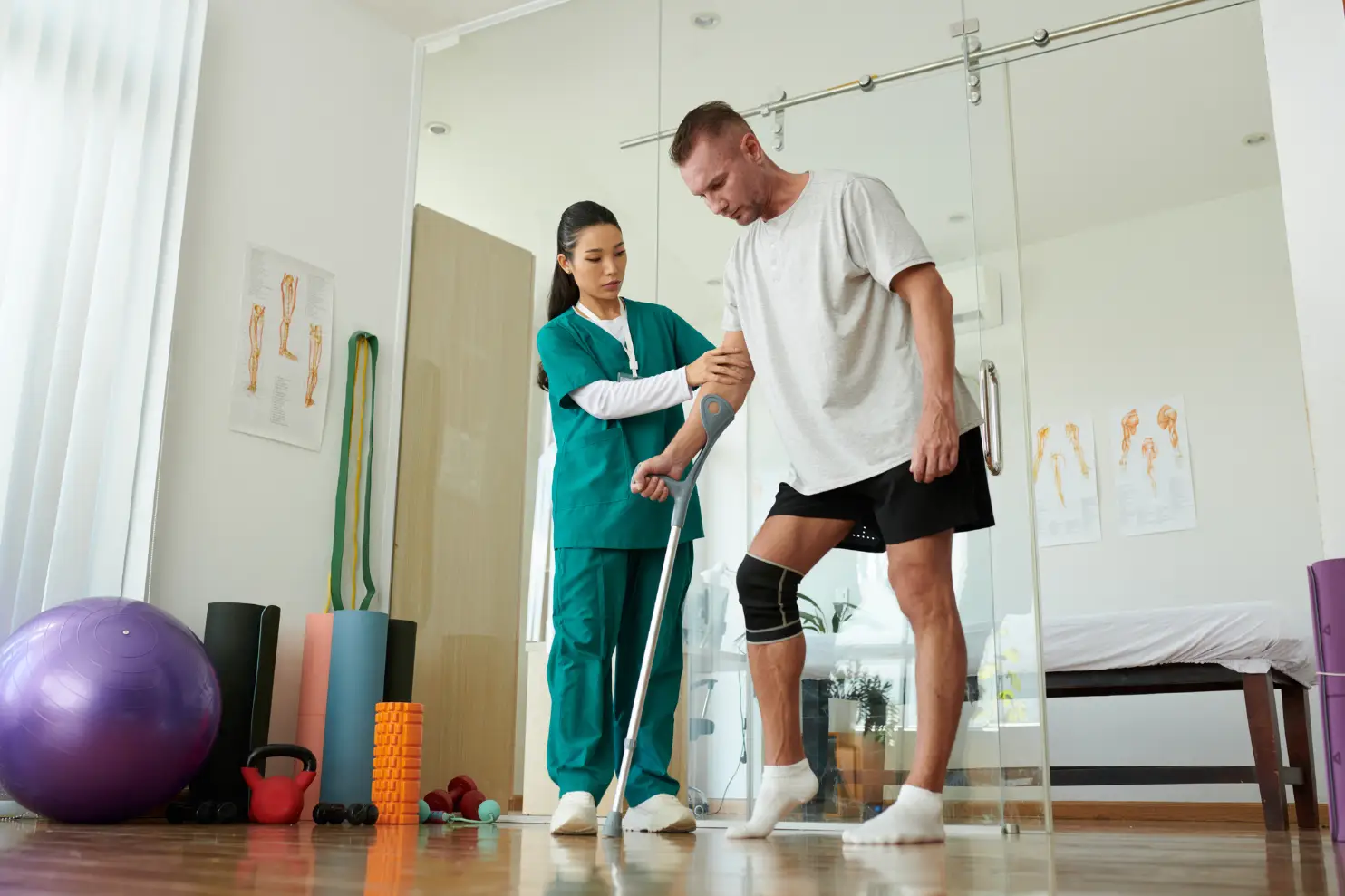
Exploring the Role of Physical Therapists in Healthcare
Most physical therapists play a vital role in healthcare. These professionals are skilled in diagnosing patients by observing their movements and ability to perform tasks while considering any medical problems or injuries that limit their physical function. Their responsibilities extend further. They are adept at crafting customized exercise plans and treatments that aim to improve movement, manage pain, restore function, prevent disability, and promote an active lifestyle.
These treatment plans are not set in stone. They are dynamic, just like the field of physical therapy itself. Physical therapists evaluate patient progress throughout the treatment process and make necessary adjustments to the care plans, ensuring the best possible outcomes. But they don’t work in isolation. Physical Therapists such as Dr. B are part of a larger healthcare team, collaborating with other professionals and educating patients on how to prevent future injuries.
The Scope of Physical Therapy Practice
The umbrella of physical therapy practice covers a vast terrain. From infants to the elderly, physical therapists treat a diverse patient population, addressing a wide range of conditions and functional impairments. This calls for individualized care plans that are crafted to suit the unique needs and objectives of each patient. The approach of physical therapists varies, ensuring the best possible care for their patients.
What fuels these individualized care plans? Knowledge. Physical therapists utilize an extensive knowledge base from various disciplines such as anatomy, exercise physiology, and neuroscience, among others. This ensures that each treatment plan is not only tailored to the patient’s needs but is also grounded in the latest research and best practices in the field.
Collaborative Care Approach
In the realm of physical therapy, no man is an island. Research supports the effectiveness of interdisciplinary collaboration in physical therapy, with evidence indicating improved patient outcomes, such as better functional ability and effective fall prevention. This collaboration isn’t limited to just physical therapists. The multidisciplinary team can include:
- physicians
- surgeons
- nurses
- social workers
- occupational therapists
- speech therapists
This offers comprehensive care that encompasses all health aspects.
But effective collaboration doesn’t just happen overnight. It requires ongoing communication from the initial patient assessment, with regular updates between physical therapists and referring physicians, ensuring optimal delivery of care and allowing for patient advocacy. It’s fostered through:
- Establishing clear communication channels among healthcare professionals
- Involving patients in their care team
- Consistently delivering quality care to build trust and better health outcomes.
The Path to Becoming a Physical Therapist
The journey to becoming a physical therapist is one of commitment and perseverance. It begins with a bachelor’s degree, which is the stepping stone for admission into Doctor of Physical Therapy (DPT) programs. The DPT degree, also known as a physical therapy degree, is a must-have credential for practicing physical therapists in the U.S. Applying to multiple DPT programs can be daunting. Thankfully, the Physical Therapist Centralized Application Service (PTCAS) simplifies this process with a single web-based application and one set of materials.
Graduation is not the end of the journey, though. The quality of physical therapist education programs is maintained through accreditation by the Commission on Accreditation in Physical Therapy Education (CAPTE). This rigorous standard of quality ensures that physical therapists are equipped with the knowledge and skills necessary to provide top-tier care to their patients.
DPT Programs: Building Knowledge and Skills
DPT programs are a critical juncture in the path to becoming a physical therapist. Typically three years in length, these programs encompass a wide array of content areas including:
- biology
- anatomy
- physiology
- exercise physiology
- biomechanics
- neuroscience
- several other crucial scientific and social science disciplines.
Classroom and lab studies comprise only part of the education. DPT programs also provide students with hands-on clinical education, enabling them to apply their knowledge in real-world settings. This balance of theory and practice is pivotal in preparing students for the complexities and challenges of clinical practice.
Licensure and Continuing Education
After earning a DPT degree, the next step is licensure. Physical therapists must pass a state licensure exam to practice, ensuring they meet minimum competency standards. Continuing education is essential for physical therapists to maintain licensure and stay current with the latest clinical practices and research.
Physical therapists must be certified in Cardiopulmonary Resuscitation (CPR) by completing pre-approved courses from the American Heart Association or American Red Cross. They must also submit evidence of current knowledge of national First Responder standards and Emergency Cardiovascular Care (ECC) guidelines with their application.
A Glimpse into Daily Clinical Practice
Physical therapy extends beyond a single setting. Physical therapists work in a broad range of settings, including hospitals, private practices, home health agencies, outpatient rehabilitation centers, nursing homes, schools, and medical clinics. Within these varied settings, their daily responsibilities consist of consulting with patients to understand their symptoms, diagnosing movement dysfunctions, devising appropriate treatment plans, and instructing patients on therapeutic exercises and equipment use.
Diagnosing and treating individuals who have conditions that limit their ability to move and perform daily activities is a key responsibility of physical therapists. This sets the stage for tailored recovery approaches. Each patient’s progress is monitored from the initial baseline established in the first session, with the treatment plan being refined as needed to match the improvements and capabilities of the individual. The journey of recovery is not a solitary one; a cohesive team treatment system ensures a thorough and continuous care experience by integrating the specialized expertise of physical therapists, therapy assistants, and extenders.
Developing Fitness and Functional Movement Programs
Customized physical therapy plans play a pivotal role in healing injuries, restoring functionality, and alleviating pain. These plans take into account patient-specific factors such as:
- height
- body mechanics
- overall condition
- personal recovery goals
The personalized regimens aim to restore functionality and range of motion, enabling patients to manage daily tasks independently and address issues like swelling or tenderness.
Physical therapy sessions are not merely about physical therapy treatment; they’re about empowerment. They aim to improve mobility, joint flexibility, and muscle strength, often using exercises and behavioral techniques to make daily tasks easier and reduce dependence on medications. These services include a variety of techniques such as guided exercises and stretches in treatment sessions, which range from 90 minutes to 2 hours, and typically span six to eight weeks to ensure a comprehensive recovery. Physical therapy students learn these techniques to provide the best care for their future patients.
Advanced Techniques in Physical Therapy
Physical therapy is no stranger to innovation. Advanced techniques, such as manual therapy, have become integral to the practice. Manual therapy encompasses a variety of methods such as traction, massage, joint manipulation, and mobilization to relieve pain and improve functional abilities. And it’s not a one-size-fits-all approach. Specific approaches in manual therapy include soft tissue mobilization, trigger point therapy, active release techniques, and joint-specific treatments.
But the toolbox of physical therapy is much broader. Physical therapists implement various techniques for comprehensive pain management beyond manual therapy, such as:
- Therapeutic exercises
- Heat and cold therapy
- Dry needling
- Biofeedback
This array of techniques, in line with clinical practice guidelines, ensures a holistic approach to patient care, addressing the myriad aspects of pain and dysfunction.
Addressing Common Conditions Treated by Physical Therapists
Physical therapists cater to a wide spectrum of health conditions, including neurological physical therapy. Neurological conditions such as Parkinson’s and Huntington’s diseases are managed with physical therapy interventions including strength exercises and mobility enhancement strategies to address symptoms like spasms and unsteady gait. Orthopedic rehabilitation, particularly after joint replacements, is another area where physical therapists play a crucial role. They work to relieve pain, improve function, and provide care for ligament injuries, including those that may require surgical repair.
The scope of physical therapy extends beyond acute injuries and neurological conditions. Physical therapists also craft tailored care plans to manage chronic conditions such as Muscular Dystrophy and osteoporosis, improve balance in Vertigo, and alleviate symptoms of Carpal Tunnel Syndrome and Chronic Fatigue Syndrome, as well as assist cancer patients and those with lymphedema. Even for specific injuries like Achilles tendon injuries, physical therapy plays a key role, employing methods that might include targeted stretching, posture adjustment, and strengthening exercises to support recovery and prevent further injuries.
From Acute Care to Long-Term Management
The role of physical therapy spans from immediate care to long-term management. Physical therapy provides crucial support immediately following an injury, employing techniques such as the P.R.I.C.E. Protocol to begin the recovery process effectively. Physical therapy’s role, however, goes beyond just immediate care.
For individuals dealing with chronic respiratory issues, physical therapy includes ongoing exercises like diaphragmatic breathing to maintain lung function and manage symptoms. Even in the aftermath of a battle with cancer, physical therapists are there, working with survivors to offer long-term strategies for pain management and to help patients regain their independence and quality of life after treatment.
In cases of chronic conditions such as osteoporosis, physical therapy is instrumental in long-term management, focusing on maintaining bone density and reducing fracture risks. Similarly, neurological disorders like Parkinson’s and Huntington’s Diseases, aid in maintaining mobility and curbing the progression of motor symptoms.
Specialty Areas within Physical Therapy
The field of physical therapy is vast with a multitude of specialty areas. There are various specialties within the field of physical therapy, such as musculoskeletal, orthopedics, cardiopulmonary, and neurology. There are also specializations in endocrinology, sports medicine, geriatrics, pediatrics, women’s health, wound care, and electromyography. For instance, in the sports medicine specialty, physical therapists treat sports-related injuries through sports physical therapy, including A.C.L. knee injuries, ankle sprains, concussions, rotator cuff injuries, runner’s knee, shin splints, and tennis elbow.
These specialty areas allow physical therapists to delve deeper into specific areas of practice, offering focused expertise and care for their patients. Whether it’s an athlete recovering from a sports injury or an elderly patient managing a chronic condition, specialty areas within physical therapy ensure that each patient receives the most appropriate and effective care for their unique needs.
Achieving Specialist Certification
To further their expertise, physical therapists can achieve board certification through the American Board of Physical Therapy Specialties (ABPTS), which is recognized by the American Physical Therapy Association and focuses on a therapist’s expertise and experience in specific clinical areas. Before pursuing these specialties, physical therapists must first pass the National Physical Therapy Examination. Specialties available for board certification through the ABPTS include:
- Cardiovascular and pulmonary
- Clinical electrophysiology
- Geriatrics
- Neurology
- Oncology
- Orthopaedics
- Pediatrics
- Sports
- Women’s Health
Residency programs are designed to build upon the foundational knowledge gained during the Doctor of Physical Therapy program, offering in-depth training in specialized areas of clinical practice. After graduation, physical therapists can pursue these residency training programs to advance their preparation as providers of patient care services in a defined area of clinical practice. These programs, along with board certifications, enhance physical therapists’ specialized skills and enhance their recognition and credibility in their chosen field.
Customizing Your Recovery Journey with Us
At Dr. B’s practice, we prioritize a highly personalized approach to physical therapy. Our team creates a personalized treatment plan tailored specifically to each patient’s needs and goals. When customizing the treatment plan, we take into consideration the patient’s health history, lifestyle, and current levels of pain to ensure the plan is complete and effective for pain relief.
Our commitment to personalized care extends to patients who need an Accident and Injury Doctor in San Antonio. Our treatment plans are specifically designed to address injuries from car accidents, work-related incidents, premises liability incidents, and other personal injuries. With over 20 years of experience, Dr. B, DC provides customized programs that assess the extent of injuries, initiate the recovery process, and accommodate patients’ unique circumstances from the very first appointment.
Our Services for Pain Relief and Rehabilitation
With over 20 years of experience treating car and work accident injuries, including spinal cord injury, Dr. B, DC is well-equipped to offer targeted pain relief for patients. The fundamental service provided focuses on pinpointing specific causes of discomfort to offer long-lasting relief.
Beyond pain relief, Dr. B offers customized rehabilitation exercises to address dysfunction from injuries, particularly those resulting from car accidents. Our practice is dedicated to facilitating your journey to pain relief and rehabilitation with our qualified expertise and extensive treatment options.
Benefits of Physical Therapy with Our Team
Opting for our team for your recovery journey offers numerous benefits. Customized physical therapy treatments can lead to improved patient outcomes, reducing disability and the number of required physical therapy visits for conditions such as neck pain. We believe in the power of education, and ongoing education in physical therapy practices is linked to improved clinical performance and successful patient outcomes.
Physical therapy with our team can help patients avoid surgery and reduce the necessity for prescription drugs by restoring function and mobility. The journey to recovery is not just about treating symptoms – it’s about empowering patients to regain control of their health and their lives.
How Dr. B Can Help You
Physical therapy is a dynamic, multifaceted field that has the power to transform lives. From treating acute injuries to managing chronic conditions, physical therapists are the unsung heroes in the healthcare landscape. Their work goes beyond diagnosing and treating conditions – it’s about empowering patients to regain control of their health and their lives.
Dr. B is committed to assisting individuals with disabilities, whose conditions can significantly improve with our center’s services. Our approach to physical rehabilitation is personalized, creating customized work-hardening programs based on individual job requirements and physical limitations.
For those recovering from work-related injuries, Dr. B offers a comprehensive work hardening program designed to restore physical capacity, prevent re-injury, and facilitate a successful return to work. This program includes collaboration with various medical professionals such as physical therapists and those specializing in occupational therapy, to ensure a multidisciplinary approach to patient care.
We conduct a Functional Capacity Evaluation to tailor the work hardening program to the patient’s specific needs, ensuring a safe and effective return to work. With over 20 years of experience, Dr. B provides the expertise needed to guide patients through the recovery process and work hardening program.
We proudly serve San Antonio, Houston, Laredo, and surrounding areas, if you need physical therapy or want to learn more, call us at 210-342-2777 to schedule your appointment or to speak with one of our knowledgeable team members. We are here to help you navigate your recovery journey and provide you with the support and care you need to achieve your health and wellness goals. Don’t hesitate to reach out – we look forward to assisting you!
Frequently Asked Questions
What does physical therapy do?
Physical therapy helps enhance strength, mobility, and function, treats chronic pain, rehabilitates injuries, and prevents future injuries. Physical therapists provide hands-on care, education, specific exercises, and treatments to improve movement and manage pain.
What are the 4 main types of physical therapy?
The four main types of physical therapy are pediatric physical therapy, neurological physical therapy, geriatric physical therapy, and vestibular rehabilitation. Neurological, geriatric, and vestibular rehabilitation are specialized areas that cater to specific patient populations.
Does physical therapy really work?
Yes, physical therapy can be highly effective in managing pain and improving overall function, especially for chronic pain conditions, post-surgery recovery, and musculoskeletal injuries.
What is the basis of physical therapy?
Physical therapy involves exercise, muscle and nerve stimulation, and massage to maintain proper function of muscles and joints, ultimately aiming to enhance or preserve function and quality of life. It may include exercises, massages, and treatments to relieve pain, improve movement, and strengthen muscles.
What is the role of physical therapists in healthcare?
Physical therapists play a crucial role in healthcare by diagnosing patients, developing customized exercise plans and treatments, and promoting an active lifestyle. They also collaborate with other healthcare professionals and educate patients on injury prevention.
Can physical therapy help with sports injuries?
Absolutely, physical therapy is essential for athletes recovering from sports injuries. It helps restore strength, improve flexibility, and increase mobility. By employing targeted exercises and advanced techniques, physical therapists can not only expedite the recovery process but also educate athletes on injury prevention and performance enhancement to minimize the risk of future injuries.
Dr. B, DC “The Car Accident Doctor in San Antonio” has been treating thousands of car & work accident injuries for more than 21 years.
Our Services
Phone
Opening Hours
Monday – Friday
8:00 AM – 06:00 PM
