GET HELP NOW 210-342-2777

GET HELP NOW 210-342-2777
Common work injuries that can lead to disability

 Texas is a bustling state home to numerous prosperous industries. Texas also takes the top spot for being the most dangerous state for workers in the country. According to the Texas Department of Insurance (TDI), 488 workers were killed in workplace accidents in 2018; and, while this decreased, Texas remains the worst state for workers per capita in regards to fatalities and serious injuries. A consistent track record of having the most fatalities among workers across all industries speaks to a much-needed overhaul in employer responsibility for workers’ safety across the state.
Your employer has a duty to protect you and tell you about health and safety issues that affect you. They must also report certain accidents and incidents, pay you sick pay and give you time off because of an accident at work should you need it.
Reporting an accident at work:
Your employer must report serious work-related accidents, diseases and dangerous incidents. They must report:
Death, major injuries, a broken arm or ribs for example: dangerous incidents like the collapse of scaffolding, people overcome by gas any other injury that stops an employee from doing their normal work for more than three days.
The reporting must be done by your employer, but if you’re involved it’s a good idea to make sure it’s been reported.
Who is responsible for health and safety at work?

Your employer has to carry out a risk assessment and do what’s needed to take care of the health and safety of employees and visitors. This includes deciding how many first aiders are needed and what kind of first aid equipment and facilities should be provided.
Workers’ compensation insurance is a type of insurance purchased by employers for the coverage of employment-related injuries and illnesses.
What is workers’ compensation or workman’s compensation?
Workers’ compensation insurance, often called “workers comp,” is a state-mandated program consisting of payments required by law to be made to an employee who is injured or disabled in connection with work. The federal government does offer its own workers’ compensation insurance for federal employees, but every individual state has its own workers’ compensation insurance program. We can help you! Don’t hesitate, time is of the essence. Call us 210-615-0400 or visit us at 4801 Fredericksburg Rd. Suite A, San Antonio Tx. 78229.
Muscle strains
One of the most common work injuries is muscle strain. You may exert yourself when lifting heavy objects. When you bend over to pick something up, you can accidentally break a finger or a muscle in your wrist. If you have to use your muscles in ways you are not used to, it can cause pain and suffering.
It can be tempting to try taking these injuries to court, especially if you are working in a dangerous place. But in many cases, your employer has workers’ compensation insurance and your personal injury attorney will not be able to help you. Workers’ compensation claims are generally ruled in your favor when you are in these types of accidents, so it’s best to just take care of the problem at hand. Avoiding accidents in the workplace is much less expensive.
Repetitive motion injury

Other work-related commons include repetitive motion injuries (such as lifting heavy boxes), repetitive motion-related injuries, and carpal tunnel syndrome (also known as “manicure syndrome”). You can call your employer and request an ergonomics study for these injuries. Studies show that these types of workplace injuries account for nearly 30% of all work-related injuries that people report to their personal injury attorneys. Preventing these types of injuries is usually much cheaper than treating them later.
Burn injuries
Burn and fire injuries are also very common. They are usually caused by equipment malfunction and poorly trained workers. These injuries are generally covered by workers’ compensation, which means that it is your job to fight for compensation for your pain and suffering. Common causes of fire injuries include oil, gas leaks, and electrical problems. Common causes of burn injuries include exposure to hot machinery, hot metal pipes, or poorly maintained lighting problems.
Brain trauma
The third most common workplace accident is crash injuries. When a worker experiences a traumatic brain injury, it is often called a crush injury. These types of injuries occur when a person is struck by hard objects or debris in the work environment. Most of the time, workers will be whipped by these accidents, but some recover with less serious damage. Unfortunately, many people who suffer crush injuries will not be able to remember much of the information they have suffered.
Spinal injuries
Finally, one of the most common workplace injuries is spinal injuries. Spinal injuries usually occur when someone has a sudden impact on the back, causing inflammation and swelling. If this type of injury is not treated right away, it could cause permanent damage. Your insurance company will not cover spinal injuries, so it is imperative that you take immediate action if you suspect you have one.
Unfortunately, many workplace injuries do not actually result in any physical harm to the worker. In these cases, people tend to suffer from mental trauma, resulting in depression or other emotional problems. If you are involved in an accident that results in trauma trauma, you may be entitled to compensation.
Wrongful death cases
 Sometimes workplace injuries can result in more serious conditions. In these cases, workers can be killed due to their injuries. For example, workers struck by dangerous machinery may not survive long enough to file a claim against the employer. However, workers who suffer a heart attack while on the job can file a lawsuit. This is especially wrongful death that results from work-related activities. Even more common are workers who suffer from illnesses in the workplace that can lead to long-term disability.
Workers sometimes take it for granted that they are taking proper safety precautions. Unfortunately, there are some cases where employers neglect workers or are simply careless. For example, many construction companies use loose and unsuitable materials that pose a hazard to employees. While the results of these types of accidents are devastating, workers who sustain back injuries can still file a lawsuit to hold the company liable for their injuries.
Most Dangerous Industries
Texans are notoriously tough, with a hard-working spirit and deep pride for our state. We are not afraid to put in the hard work needed in order to get the job done. As diverse and rich in resources as the state of Texas is, so are the workers who enable our plethora of industries to thrive across the state. Of the many industries, Texans serve, data shows some verticals pose a greater threat to worker safety than others.
Construction
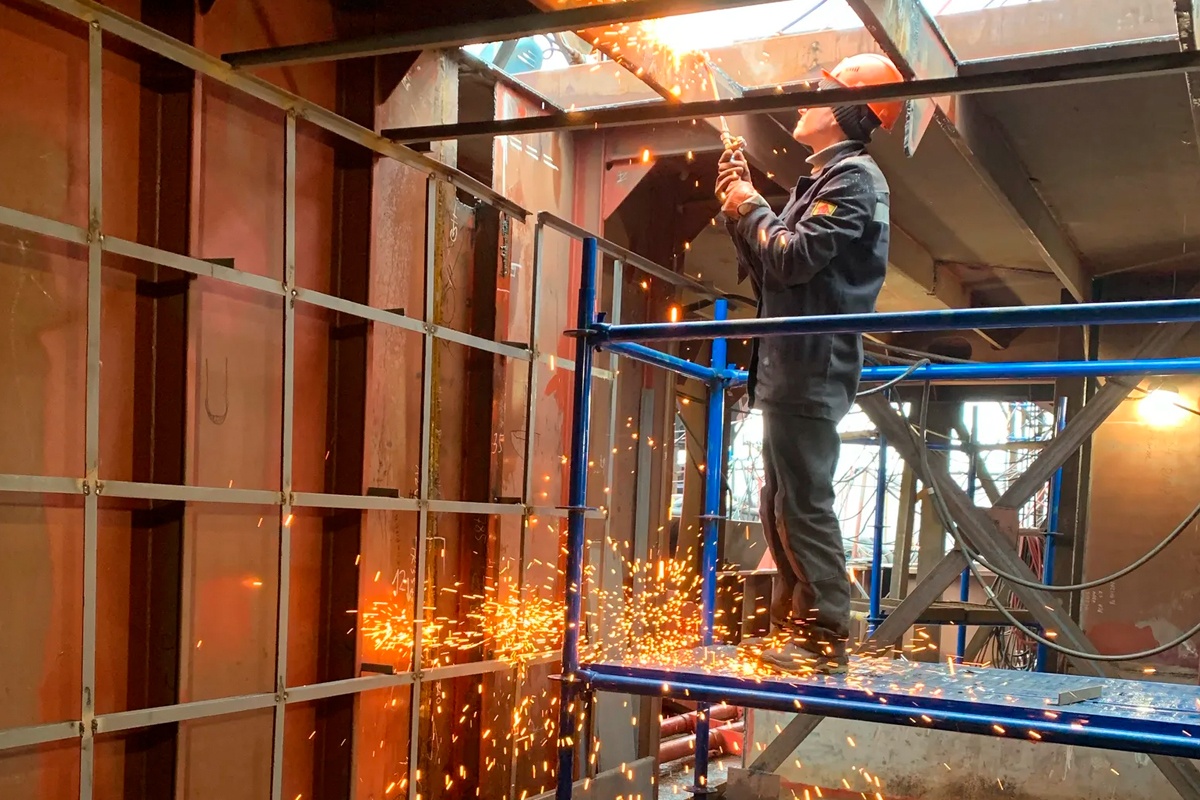 Construction is historically one of the most dangerous industries for employees due to the nature of the work being performed. Across the state, cities are experiencing population booms, and with that comes the need for housing, retail, and infrastructure to support expanding communities. While this is lucrative for construction companies profiting off of projects, it means workers are at a greater risk for serious injury or death. According to the Bureau of Labor Statistics, of the 488 worker fatalities in Texas in 2018, 105 were in the construction and extraction industries. The most common causes of workplace fatalities included falls, transportation accidents, toxic exposure, and making contact with an object or equipment.
Employers have a duty to their employees to provide and maintain a safe working environment free of harm. Workers have the right to go to work and return home safely each and every day. Workers may suffer life-altering injuries that could cost them more than just their career, including:
- Broken bones and fractures
- Traumatic brain injury
- Spinal cord injury
- Deep cuts or lacerations
- Severe burns
- Amputations
Transportation
The transportation industry is crucial in supplying goods needed for business and individual consumers across the state. The great need for transporting raw materials and consumer goods comes with associated risks for transportation workers. The U.S. Bureau of Labor Statistics reported 174 workers in the transportation industry were killed at work in 2018. Transportation employees rely on other companies to regularly service their vehicles as well as perform routine inspections to ensure their vehicles are adequately equipped to haul cargo safely. Should a service appointment or inspection be conducted negligently, and unaddressed issues result in injuries, the responsible parties can be held accountable. In addition, drowsy driving and distracted driving continue to present safety issues for truckers.
Oil and Gas
 It may not come as a surprise that the oil and gas industry sees its fair share of serious injuries and fatalities each year. Many Texans rely on extraction and production in the oil and gas industry for their livelihood; unfortunately, oilfields and oilrigs are hot spots for serious incidents such as explosions and heavy equipment-related accidents. At least 122 workers serving the oil and gas industry were killed while on the job in 2018. Despite the overwhelming death toll, oil and gas companies continue to fail Texas workers by taking shortcuts when it comes to federal regulations regarding routine inspections of facilities, providing personal protection equipment to workers, cleaning hazardous chemicals, and safeguarding heavy machinery. Since so many contractors, subcontractors, and independent workers can be found on oil and gas job sites, multiple parties may be responsible for workplace accident injuries.
Causes of Workplace Accidents Explained
Occupational accidents can occur due to human or mechanical causes, with the majority of cases being of human origin.
On many occasions, workplace accidents due to mechanical causes occur due to improper assembly of the machinery, or due to a factory defect, therefore, basically, the culprit of the accident is the person who performs the assembly or the one who makes a mistake in the production chain, so almost all accidents are due to human causes.
The International Labor Organization recognizes 4 major groups of causes of accidents:
Unsafe act
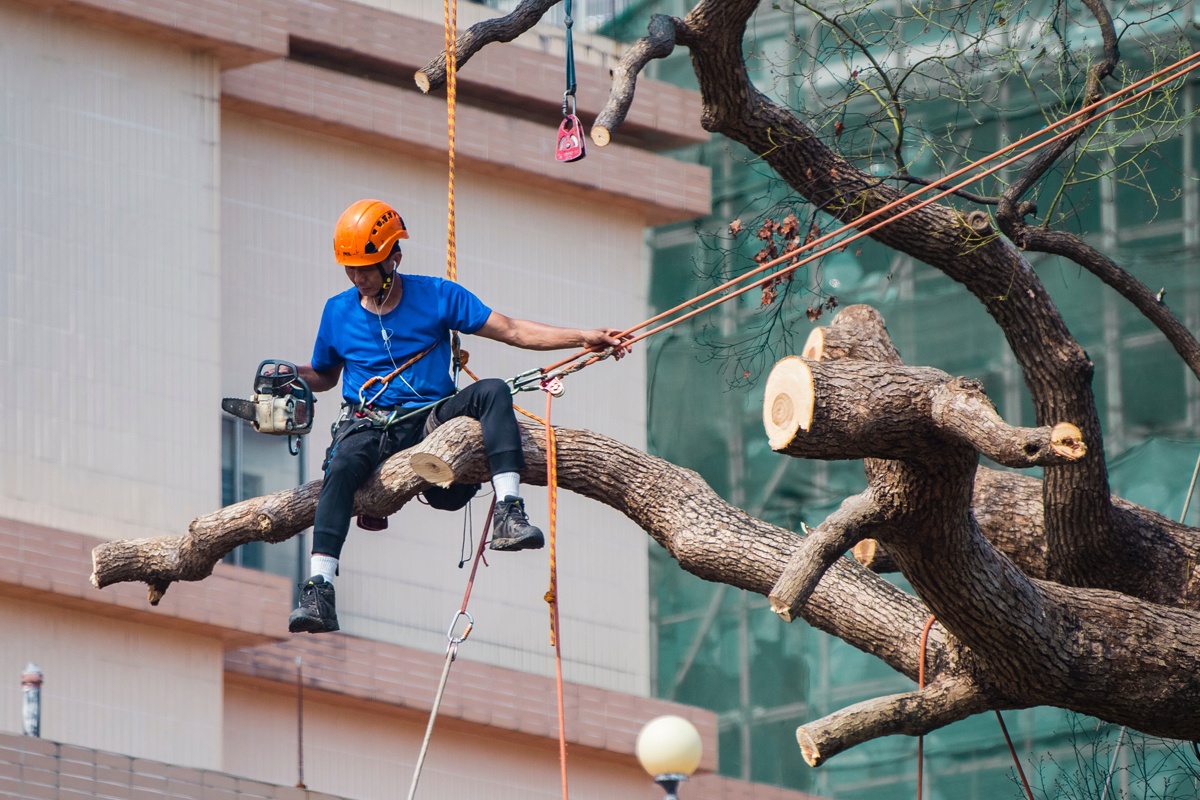 It is the violation of a procedure that is considered safe, that is, it is the negligence of a person that produces the main factor of insecurity.
Examples:
- Distract or annoy other people who are doing their job.
- Carry out maintenance work with the machine running.
- Carry out operations without being authorized.
- Do not use safety equipment.
- Adopt dangerous postures or positions.
- Not working at the proper speed.
- Using unsafe equipmentconstruction nets
-
-
Unsafe condition
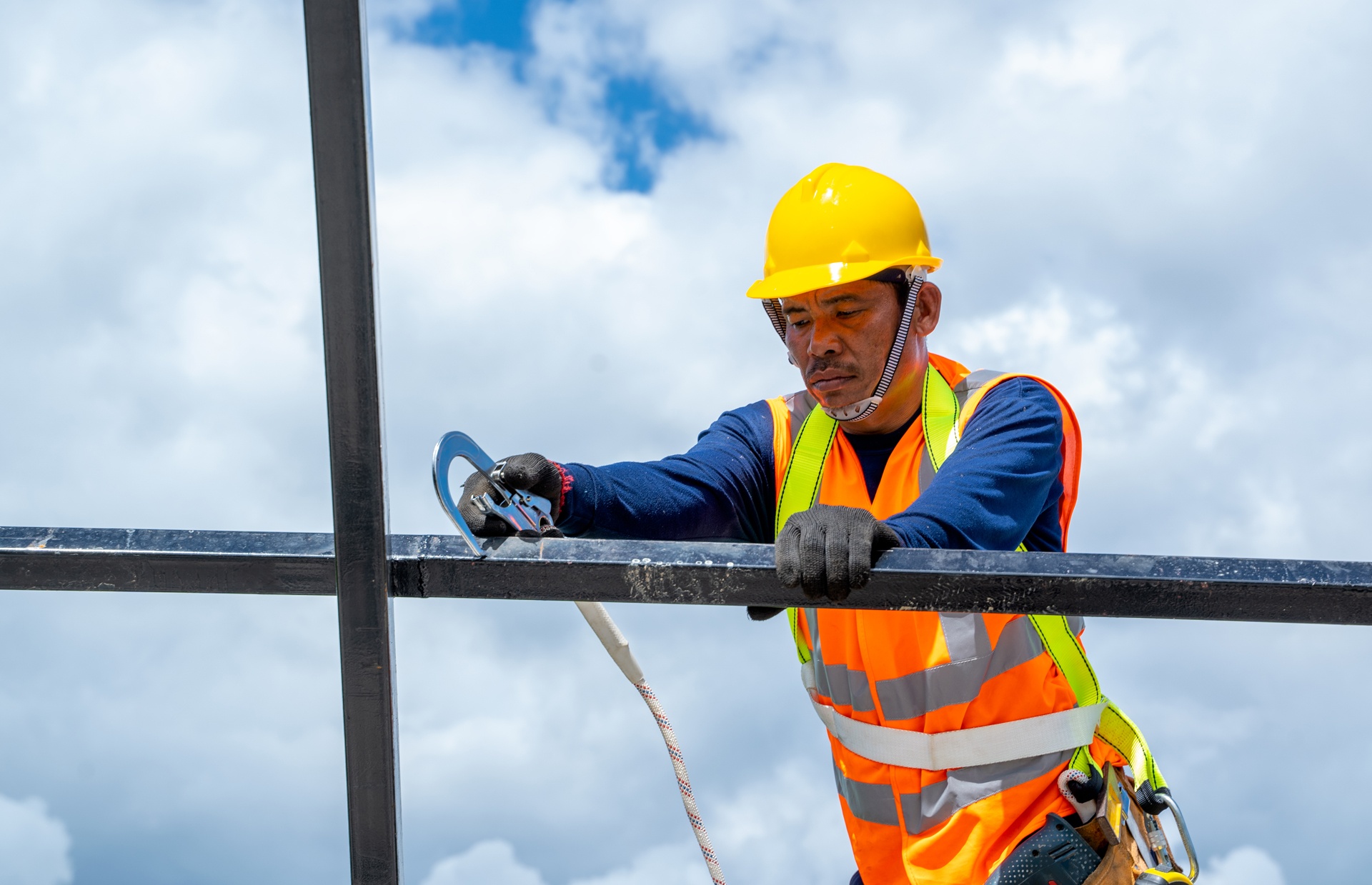 It is that condition that is part of the object that has been directly linked to the accident and that could have been protected or avoided.
Examples:
- Environmental conditions that pose a certain risk.
- Inadequate or defective protections.
- Defective ventilation of workplaces.
- Lack of protections.
- Inadequate lighting in work centers.
- Poorly conceived or constructed facilities.
- Defective tools or equipment.
Personal causes
They are internal causes of the worker himself and cause a large part of the accidents.
Examples:
- Unsafe habits
- Physical defects.
- Lack of knowledge of work.
Environment
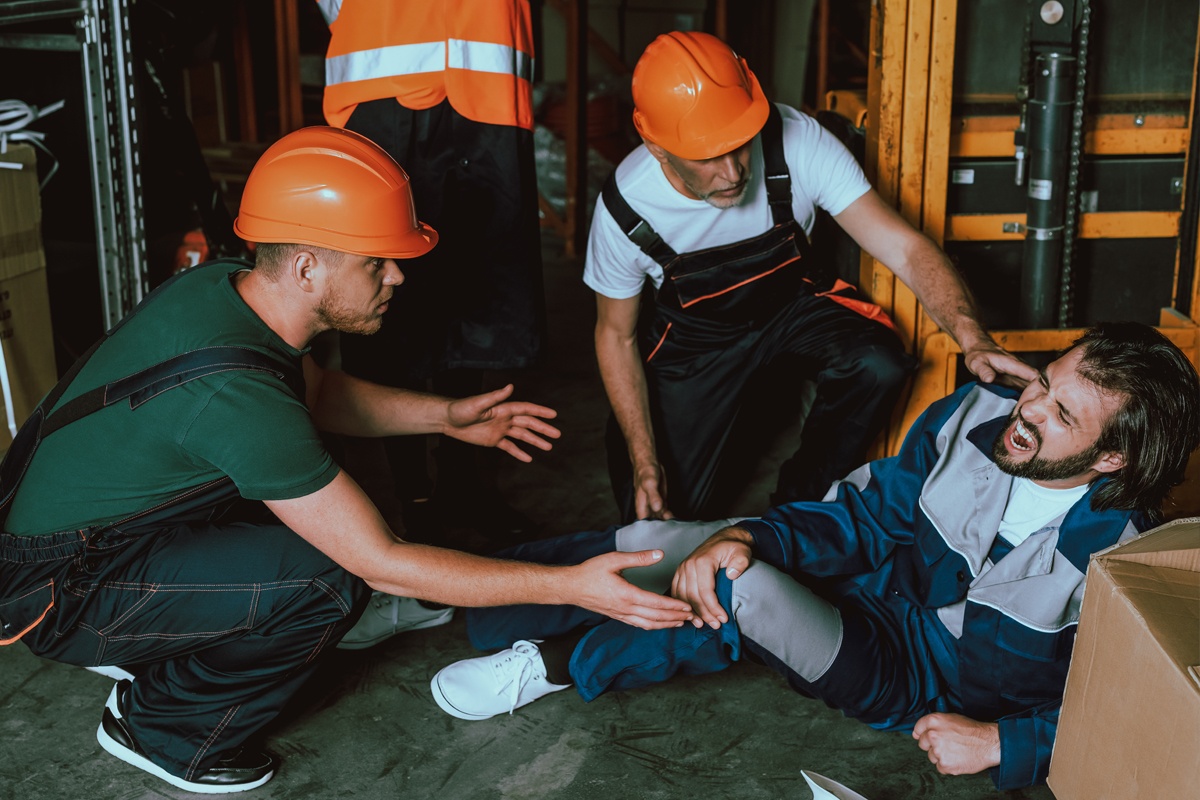 Like personal causes, they are internal causes to the worker, but these are motivated by the social environment where people live, work and develop.
Examples:
- Health problems.
- Social and economic problems.
- These 4 factors in the background are intertwined with each other.
- How a work accident happens
A worker is worried about family problems (environment), and this makes him pay less attention to the handling of the crane (personal causes). He knocks down a column of badly placed boxes (unsafe condition) that fall striking a colleague (accident), causing a fracture in the neck (injury).
Thus, if we had avoided some of the causes of accidents, the rest probably would not have occurred, since as we have seen they are intertwined with each other.
Regarding the environment and personal causes, the preventive work is quite limited, the only thing that can be done is to educate the workers through adequate training in Occupational Risk Prevention.
On the other hand, in dangerous acts and conditions, greater control can be established, adequately training workers on the risks inherent in their work, acquiring machines with adequate protection, etc.
Taking these into account, now we have to act to make work a safe place.
Did you have an accident in your work environment?
Schedule an appointment with us today
Make an appointment today: 210-342-2777
*Information obtained from: losabogadosluchadores.com

Dr. B, DC “The Car Accident Doctor in San Antonio” has been treating thousands of car & work accident injuries for more than 21 years.
Our Services
Phone
Opening Hours
Monday – Friday
8:00 AM – 06:00 PM
